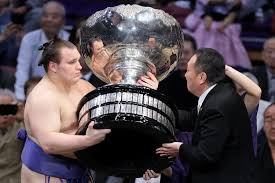
On June 16, 2026, organizers of the newly formed Sumo Championship League announced plans to stage authentic professional heavyweight sumo wrestling across major United States arenas with media syndication beginning this fall. We approached the announcement with curiosity and respect, aware that this effort seeks to translate a centuries old Japanese sport into a modern American spectacle while navigating cultural authenticity, athlete welfare, and broadcast realities.
What the SCL says it will deliver
The Sumo Championship League proposes a seasonal circuit of events featuring yokozuna level talent and open weight championship bouts presented in arena settings sized for mainstream audiences. Promoters promise traditional dohyo rituals, full adherence to professional sumo rules, and partnerships with Japanese stables to ensure legitimacy. The league also outlined plans for television and streaming distribution designed to reach sports networks and international streaming platforms, aiming to place sumo on a comparable footing with other heavyweight combat sports.
Ambitions and announced partnerships
League executives cited agreements with several international sports production houses and tentative venue bookings for exhibition events in Fall 2026. They emphasized collaborations with cultural advisors and retired professional wrestlers to maintain ceremony and technique. Early statements also referenced coaching exchanges and athlete visas to allow top sumo practitioners from Japan and other nations to compete under sanctioned conditions in the United States.
Why this matters for sport and culture
Sumo is more than a contest of strength. It carries ritual, spiritual symbolism, and a codified pathway of apprenticeship that links generations. Bringing authentic professional sumo into U.S. arenas raises questions about cultural translation, whether sacred elements can be preserved in a commercial setting, and how athletes steeped in a rigid stable system will adapt to travel, promotion, and different audience expectations. If done with integrity the league could broaden appreciation for sumo and support athlete livelihoods. If handled poorly it risks superficial spectacle that strips context from tradition.
Voices from the sumo world
We spoke with former rikishi and sumo scholars who welcomed foreign interest while urging caution. One retired wrestler recalled the weight of ceremony and discipline that underpinned his career, warning that commercialization must not supplant respect for the sport’s history. Cultural custodians suggested advisory councils to oversee rites such as salt purification and referee protocols so that television production does not interrupt practices essential to the sport’s identity.
Practical challenges for athletes and organizers
Logistics will be substantial. Professional sumo wrestlers train within stable hierarchies and follow strict dietary and lifestyle regimens tailored to their craft. Travel across time zones and exposure to different medical and training environments can affect performance and long term health. The league has signaled intentions to provide medical teams familiar with sumo injuries, nutritionists who understand traditional sumo diets, and accommodations that allow athletes to preserve training routines while on tour.
Safety, weight management, and athlete welfare
Sumo bodies carry unique health risks related to extreme body mass, metabolic strain, and joint stress. Any professional circuit in the United States will need robust protocols for medical screening, injury prevention, and long term health monitoring. Independent sports medicine experts recommended continuous cardiovascular screening, concussion protocols adapted for sumo, and post career transition programs for athletes who may face chronic conditions after retirement.
How promoters plan to present matches
Producers aim to retain core match elements such as ring entry, ceremonial salt throwing, and referee calls while adapting camera work and arena staging to create an engaging viewer experience. Promised features include immersive production values, explanatory commentary that educates new audiences about rules and rank, athlete profiles that contextualize training and lineage, and behind the scenes access to stables. Organizers say they will avoid gimmicks that alter competitive integrity, though they also plan to experiment with fan engagement features such as interactive apps and real time education modules.
Broadcast and commercial considerations
Securing television slots and streaming deals will be essential for the league to reach broad audiences and underwrite athlete compensation. Executives indicated negotiations are underway with sports networks and international distributors. Sponsorship opportunities range from traditional sporting brands to cultural partners and lifestyle advertisers interested in the ceremony and heritage that sumo embodies. How these revenue streams are structured will determine ticket pricing, fighter pay, and the sustainability of a cross continental season.
Reception among U.S. combat sports fans
U.S. audiences who follow combat sports are accustomed to narratives that combine athleticism with personality driven storytelling. Sumo offers a different rhythm: short explosive bouts, ritualistic preparation, and a ranking system that rewards tenure and hierarchy. Early reactions from fan communities ranged from excitement about a new viewing experience to skepticism that large arenas will dilute the intimate, intense atmosphere of traditional sumo tournaments. Enthusiasts suggested hybrid events that include educational pre show segments and small scale exhibitions to preserve intimacy on selected dates.
Opportunities for cross cultural exchange
Beyond competition, the SCL can create meaningful cultural exchange through workshops, youth clinics, and academic partnerships that explore sumo history, Shinto roots, and sports science. Museums and cultural institutions can host exhibitions that accompany major events, while universities may study the league as a case of sports globalization. Such programs would help audiences appreciate sumo’s depth rather than viewing it solely as novelty entertainment.
Regulatory and governance questions
Forming a credible international competition raises governance matters. Who sets eligibility and ranking criteria for non Japanese competitors? How will disciplinary matters and anti doping be administered across jurisdictions? The league pledged to adopt international sports governance standards and engage with existing sumo associations to align rules. Independent oversight and transparent adjudication will be necessary to build trust among athletes, fans, and cultural stakeholders.
Next steps and what to watch for
Key milestones ahead include finalizing venue contracts, confirming athlete rosters, and securing broadcast agreements that specify commentary standards and production safeguards for cultural elements. Observers should watch for announcements about athlete health provisions, permanent advisory boards drawn from Japanese sumo authorities, and pilot events that test arena choreography with ceremonial authenticity. Successful early events will influence the league’s credibility and its ability to grow into a sustainable fixture on the international sports calendar.
Where to find further information
Official league statements and production updates will appear on the Sumo Championship League website and on partner broadcasters as arrangements are finalized. For context on professional sumo structure and history consult resources from established institutions and archival materials held by national sports libraries. The International Olympic Committee also provides useful governance guidance for emerging international sport leagues. For governance materials and best practice frameworks visit the International Olympic Committee at olympics.com.
Bringing professional heavyweight sumo to mainstream U.S. arenas is an ambitious project that must balance spectacle with solemnity, commercial viability with cultural stewardship, and athlete opportunity with long term welfare. We will follow the league closely as it moves from announcement to action, assessing whether it can honor tradition while introducing a new generation of fans to the power and poetry of sumo.