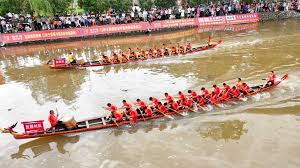
Border officials reported on June 16, 2026 that daily passenger trips across international checkpoints could reach an unprecedented 2.2 million during the active Dragon Boat Festival holiday window. We traveled along crowded terminals, spoke with travelers and officials, and listened to the small human stories behind the headline to show how an ancient festival has stretched modern transport networks to their limits.
Scenes at arrival halls and land crossings
At sunrise the first ferry queues already thread like ropes along the pier. The air carries the scent of sticky rice and the sound of carts rolling over grooved concrete. Drivers guide tourists through packed car parks while ticket booths display waiting times in red numerals. At major land crossings families with suitcases, elderly relatives with walking sticks, and groups carrying dragon boat paddles weave together in a slow, patient flow. Airports hum with an almost celebratory tension as streamers and festival posters sit beside departure boards showing delayed and consolidated flights.
How authorities prepared for the surge
Customs and immigration services deployed contingency staffing, opened extra processing lanes, and extended operating hours to handle the influx. Port operators instituted dynamic queuing and real time signage to ease crowding. Rail operators added temporary carriages and reserved sections for festival travellers who carry bulkier luggage. Joint task forces coordinated between transport ministries and local governments to prioritize safety and keep cross border movement orderly.
The numbers behind the record estimate
The forecast of 2.2 million daily crossings is the product of ticket sales, historical travel patterns, and expanded holiday travel windows. Authorities compared airport throughput, ferry manifests, bus ticketing systems, and rail scanners to produce near real time projections. The figure represents movements in both directions and includes short haul regional trips that swell as families reunite and cultural events draw crowds to waterfronts where dragon boat races take place.
Regional variations in travel pressure
Not every checkpoint faces the same intensity. Coastal ferry hubs and border bridges near major cities recorded the highest volumes, while secondary crossings saw manageable upticks. Peak days coincide with marquee race events and public holiday overlaps where multiple jurisdictions align days off. Planners stress that localized surges can create disproportionate strain on nearby health services, parking infrastructure, and public amenities even when national numbers appear broadly distributed.
Human stories amid the statistics
We spoke with Li Mei who traveled with three generations of her family to watch a citywide regatta. She described the ritual packing of glutinous rice dumplings and the nervous thrill of bringing a toddler to their first race. A teacher returning to her hometown recounted the months of planning needed to align school schedules and leave approvals. These personal accounts reveal that the movement is not only logistical but deeply cultural, carrying memories and family obligations that turn routine crossings into emotional pilgrimages.
Strains on travellers and staff
Long queues and compressed services tested patience. A nurse who volunteered for overtime at a transit clinic described “stiff limbs and steady smiles” while assisting older travellers. Customer service counters faced multilingual questions and last minute itinerary changes. For many staff the pressure meant extended shifts and rapid problem solving while maintaining a calm presence for anxious passengers.
Safety, health, and accessibility concerns
Health officials highlighted the need for accessible sanitation, shaded waiting areas, hydration stations, and rapid medical response points during high throughput days. Authorities reminded travellers to carry essential medications and to register any mobility needs in advance so priority lanes can be assigned. Accessibility advocates urged that temporary infrastructure include tactile guidance, ramps, and quiet spaces for neurodiverse travellers to reduce sensory overload on crowded days.
Public health precautions
Vaccination clinics and mobile testing units were positioned at major hubs to provide reassurance and reduce potential disease transmission. Officials emphasized robust ventilation in enclosed checkpoints and recommended staggered travel plans for at risk populations. Plans also accounted for adverse weather with contingency shelters and revised ferry schedules when seas became rough.
Economic spillovers and community impacts
The surge generated clear benefits for hospitality, retail, and local vendors selling festival foods and handicrafts. Waterfront districts reported packed markets and extended trading hours. Small businesses appreciated the influx yet also voiced concerns about supply chain constraints and staffing shortages. Residents in high traffic neighbourhoods reported noise and parking difficulties that prompted municipal councils to coordinate temporary traffic plans and resident permit relaxations for the holiday period.
Short term gains and long term planning needs
While the immediate economic boost is welcome, planners say sustained investment is necessary to manage similar peaks in future years. Proposals include scalable terminal designs, improved intermodal connections to disperse crowds, and digital queuing systems that reduce physical congestion by allowing remote time sloting for arrivals. Such measures aim to keep the cultural vibrancy of the festival without making daily travel an ordeal for residents.
Logistics lessons for future festivals
Several operational takeaways emerged. First, real time data sharing between ports, railways, and airlines improved responsiveness. Second, pre registration tools and time slot booking reduced unexpected surges at discrete checkpoints. Third, cross agency drills in the months before the festival helped iron out temporary workflows and clarified decision making during peak hours. Authorities said they will use this year as a blueprint for refining predictive models and resource deployment.
What travellers can do to ease pressure
Officials recommended practical steps for those planning travel during festival windows. Book well in advance and reserve time specific slots where available. Travel light if possible and mark mobility needs at the booking stage. Allow extra transit time and remain flexible with itineraries. For those not traveling, consider attending local community events or streaming races to reduce pressure on major nodes.
Where to find official travel guidance
For up to date border crossing requirements, travellers should consult national immigration agencies and transport ministry advisories. Information about health screenings and access services is available on official government portals and major carrier websites. The International Air Transport Association provides guidance on passenger facilitation and capacity planning that is useful for industry professionals and frequent flyers seeking clarity. For official guidance visit the immigration authority or the International Air Transport Association at iata.org.
The Dragon Boat Festival has once again shown how cultural traditions shape global movement. Managing 2.2 million daily crossings calls for empathy, precise logistics, and clear communication between authorities and the public. We will follow post festival reports to see how lessons learned are translated into more resilient travel systems that honor the festival spirit while keeping people safe and mobile.