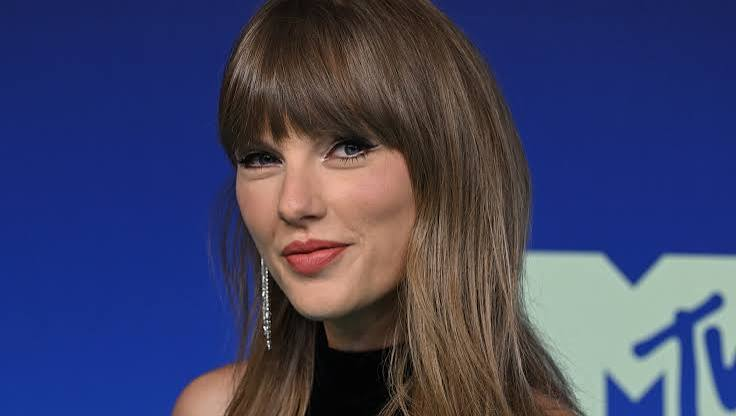
Taylor Swift has added another remarkable chapter to her career, becoming the most awarded artist in MTV Video Music Awards history after a landmark night in Los Angeles on September 27, 2026. The achievement came through a combination of competitive victories and the inaugural Artist Director Honors, moving Swift beyond Beyoncé and giving her sole possession of the record. For fans who have followed Swift from her earliest music videos to her increasingly ambitious visual work, the moment represented more than another trophy. It reflected nearly two decades of growth as a songwriter, performer and visual storyteller.
Taylor Swift Breaks the VMA Record
Swift entered the 2026 MTV Video Music Awards tied with Beyoncé at 30 career wins. By the end of the ceremony, her total had climbed to 33, according to reports from the ceremony and subsequent coverage. She received the first Artist Director Honors, won Video of the Year for “The Fate of Ophelia,” and also collected Best Direction for “Opalite.” Those victories moved her beyond the previous record and established a new benchmark for the awards show.
The milestone was especially significant because the MTV Video Music Awards have long been closely connected with major moments in popular music. Winning a VMA is not simply recognition for a recording. Many of the awards celebrate the visual language surrounding a song, including direction, editing, choreography, cinematography and visual effects. Swift has increasingly participated in those creative decisions herself, making the record a reflection of her broader involvement in the music video process.
The MTV official platform continues to document the awards show and its history, giving fans a way to follow the artists, categories and visual work that have shaped the ceremony over the years.
A Career Built Around Music and Visual Storytelling
Swift’s relationship with the VMAs began in 2008, and her first major win came in 2009 for “You Belong With Me.” Since then, the ceremony has repeatedly intersected with different stages of her career. Her early appearances reflected the rise of a young country singer moving toward mainstream pop. Later appearances showed an artist with greater control over songwriting, production, performance and visual presentation.
That progression helps explain why the Artist Director Honors carried particular meaning. The award was introduced to recognize artists whose work behind the camera has expanded the possibilities of music video and visual storytelling. Swift has said she has been involved with roughly 60 music videos and has written and directed 18 of them.
For audiences, that distinction matters because music videos have become an important part of how songs are remembered. A successful visual can give a song another identity, create characters and settings around its lyrics, and encourage viewers to return to the music long after its initial release. Swift has repeatedly used that space to connect storytelling with her songwriting.
“The Fate of Ophelia” Adds Another Major Victory
Swift’s record breaking evening was not based solely on the special honor. She also won Video of the Year for “The Fate of Ophelia,” giving her one of the ceremony’s most significant competitive prizes.
The victory added emotional weight to a night already centered on her creative history. Swift dedicated the Video of the Year honor to Dolly Parton, referring to the late country music legend as the ultimate showgirl. The tribute connected two generations of artists whose careers have demonstrated how music, performance and personality can reach audiences far beyond a single genre.
“The Fate of Ophelia” also received recognition in several professional categories, reflecting the scale of the visual production surrounding Swift’s music. The attention placed on direction and other production elements illustrates how modern music videos can function as carefully developed short visual works rather than simple promotional material.
The Record Comes After Years of VMA Milestones
Swift’s VMA history has been built gradually. Her record did not arrive from one isolated ceremony. It followed years of nominations, performances and wins across major categories.
Her 2024 ceremony was another important point in that journey. She won Video of the Year for “Fortnight” with Post Malone, Artist of the Year, Best Collaboration and Best Pop. Those victories demonstrated the breadth of her presence at the ceremony and helped place her among the show’s most consistently recognized artists.
By the time she arrived at the 2026 ceremony, Swift was already tied with Beyoncé at 30 wins. That meant the record was within reach, but the final result still depended on what happened during the show. The combination of the Artist Director Honors, Video of the Year and Best Direction ultimately changed the record book.
Why the VMA Record Matters Beyond One Awards Show
A record at a music awards ceremony can look like a simple number, but the story behind that number is usually much larger. Swift’s 33 VMA wins span different periods of her career and reflect several forms of creative recognition.
For younger listeners, Swift’s achievement also illustrates how the role of a major recording artist has changed. Artists can now be closely involved in songwriting, recording, directing, visual development, marketing and the way their work reaches streaming audiences. Swift’s career has developed alongside that shift, allowing her to maintain a direct connection between her songs and the worlds built around them.
Streaming has also changed how audiences experience award winning music. A VMA moment can quickly move from a television broadcast to music platforms, social networks and video services where fans replay performances and videos. That cycle can keep an award winning project visible well beyond the ceremony itself.
Swift’s New Music Adds Another Layer to the Story
The 2026 VMAs also gave Swift a platform for a new visual release. During the ceremony, she premiered the music video for “Patient Zero,” a new song connected with the extended edition of “The Life of a Showgirl.” The video features Dakota Johnson and Colin Farrell and continues Swift’s growing involvement with directing.
The timing was notable. Swift was not simply accepting an award for her past work. She was using the same ceremony to present another piece of new visual storytelling. That creates a clear connection between her history at the VMAs and the direction of her current career.
For longtime fans, this kind of continuity can make an awards ceremony feel personal. The audience sees an artist who once appeared as a young nominee return years later with greater creative control and a record that reflects the length of that journey.
Madonna and a Night of Major VMA Milestones
Swift was not the only major figure to dominate the 2026 ceremony. Madonna also had a major evening, collecting seven awards and returning to the VMA stage as a performer. Her presence offered a reminder of how the ceremony connects different generations of popular music.
That contrast made Swift’s record particularly interesting. Madonna represents one of the defining chapters of MTV history, while Swift represents a later generation that grew up with music videos, online communities and eventually streaming platforms as connected parts of music culture.
The ceremony therefore became more than a collection of awards. It brought together different eras of pop music while giving Swift a new place within the historical record of the VMAs.
A Record That Reflects Longevity
Records can be broken quickly, but reaching the top of a long running awards history usually requires sustained recognition. Swift’s VMA record reflects that longevity. Her career has moved through country music, mainstream pop, acoustic songwriting, major visual projects and increasingly directorial work, while her relationship with the awards show has continued across those changes.
That consistency may be the most meaningful part of the milestone. The number of trophies tells one story, but the years behind those trophies tell another. Swift’s record was built through repeated creative cycles, changing audiences and a willingness to take greater responsibility for how her music is presented.
What Comes Next for Taylor Swift
The 2026 MTV Video Music Awards have given Swift another historic achievement, but they also point toward a broader question about where her career can go next. With a growing body of directing work and a continued interest in visual storytelling, music videos may remain an important part of her creative identity.
Her latest VMA night also demonstrates why major music events continue to matter even when audiences can discover and replay songs instantly. A live awards ceremony creates a shared moment. Fans watching from different countries can see the same acceptance speech, react to the same performance and experience a record being broken at the same time.
For Taylor Swift, that shared moment arrived nearly two decades after her first VMA appearance. She entered the ceremony tied for the record and left with a new place in its history. With 33 career VMA wins, Swift now stands alone at the top of the awards show’s all time record book, adding another lasting milestone to one of the most closely followed careers in contemporary music.