A Russian missile strike on Ukraine’s largest steelmaking complex has damaged critical power and blast furnace facilities, forcing ArcelorMittal Kryvyi Rih to partially suspend operations and raising fresh concerns about industrial metal supplies. Two people were killed and more than a dozen workers and contractors were injured in the August 16 attack, according to reports citing the company, while the damage has added another layer of uncertainty to an already strained European steel market.
The incident matters far beyond Kryvyi Rih. Steel is embedded in almost every major industrial supply chain, from construction and railways to automobiles, machinery, energy infrastructure and manufacturing. When a large integrated steel producer loses production capacity, buyers may need to search for replacement material from other regions, potentially increasing transportation costs, delivery times and prices.
Strike Damages Core Steelmaking Infrastructure
The attack hit ArcelorMittal Kryvyi Rih in the city of Kryvyi Rih, damaging facilities connected to the plant’s energy supply and blast furnace operations. The company reported that the strike caused casualties among workers and contractors and that search and rescue operations were conducted at the site. Reuters reported that two people were killed and 14 were injured. :contentReference[oaicite:0]{index=0}
ArcelorMittal Kryvyi Rih subsequently partially suspended production while the extent of the damage was assessed. The timing is particularly significant because the facility has already been operating under severe wartime constraints, including reduced production, high energy costs and disrupted export routes.
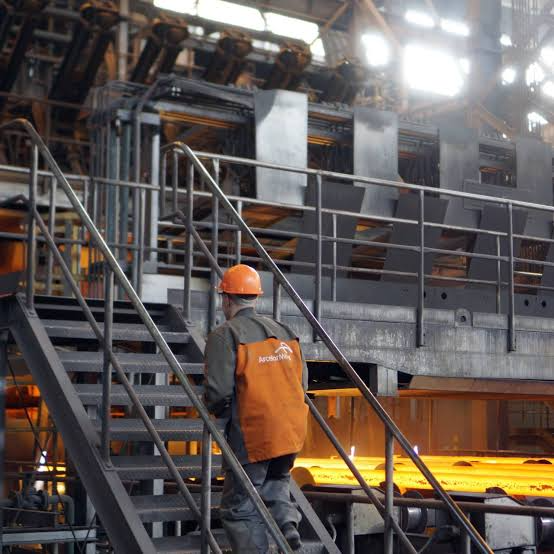
The company describes the site as a full cycle metallurgical operation, meaning its production chain extends from iron ore processing through pig iron and steelmaking to finished rolled products. Its official production information lists sinter and blast furnace operations, steelmaking facilities and several rolling departments. ArcelorMittal Kryvyi Rih’s production information shows how closely connected these stages are within the same industrial complex.
Why Blast Furnaces Matter to the Global Steel Market
A blast furnace is not simply another machine inside a steel plant. It is a central component of the traditional integrated steelmaking process, converting iron bearing materials into molten pig iron that can then move into steelmaking operations.
When blast furnace capacity is disrupted, downstream operations can also face shortages of the material they need to continue producing steel. This creates a chain reaction that can extend from raw material handling to casting and rolling.
ArcelorMittal’s Kryvyi Rih complex has historically produced pig iron, steel and long steel products including rebar, wire rod, sections and other shapes. The company says its full production cycle includes mining, processing, coke production, sintering, blast furnaces, steelmaking and rolling. :contentReference[oaicite:1]{index=1}
That integrated structure explains why damage to energy infrastructure and blast furnace facilities can have consequences beyond the immediately affected equipment. Restoring one section of the operation may not be enough if other parts of the production chain remain unavailable.
Ukraine’s Steel Industry Was Already Under Severe Pressure
The strike did not hit an industry operating under normal commercial conditions. Ukraine’s steel sector has spent years adapting to war related disruption, energy shortages, transportation challenges and changing export markets.
ArcelorMittal’s own recent disclosures show the scale of those pressures. Its 2025 fact book listed approximately 1.7 million tonnes of annual crude steel production capacity at Kryvyi Rih. The company also reported that wartime conditions had affected mining activity and that production was being planned around consumption at the steel plant and available logistics. :contentReference[oaicite:2]{index=2}
The company has also faced difficult European market conditions. In a statement from its Kryvyi Rih chief executive, the company said European customers had stopped orders following concerns connected with the European Union’s Carbon Border Adjustment Mechanism and that planned exports for 2026 were expected to be substantially reduced. :contentReference[oaicite:3]{index=3}
The new physical damage therefore arrives at a moment when the plant was already dealing with unusually high operating costs and a difficult export environment.
Could the Damage Push Steel Prices Higher?
The immediate effect on global steel prices is difficult to quantify because markets depend on the duration and severity of the production interruption. A temporary shutdown followed by a rapid repair would have a very different impact from prolonged damage that removes significant capacity for months.
Steel buyers are likely to watch several indicators closely. If Ukrainian production remains reduced, European buyers could seek replacement material from producers in other countries. That could tighten regional supply, particularly for long steel products used extensively in construction and infrastructure.
However, the global steel market is large and diversified. A disruption at one facility does not automatically create a worldwide shortage. Producers in other countries may have spare capacity, while inventories can provide a buffer for some customers.
The concern becomes greater if the disruption occurs alongside other supply problems. Energy shortages, shipping interruptions, trade restrictions, tariffs and additional attacks on industrial infrastructure could combine to produce a much larger effect than the loss of one facility alone.
European Manufacturers Could Feel the Impact First
European companies are particularly exposed to changes in regional steel availability because Ukraine has historically been an important steel producer and exporter. The country’s steel industry has also been closely connected with European manufacturing through cross border supply networks.
Rebar, wire rod and other long products are used in construction, engineering and infrastructure projects. A prolonged reduction in Ukrainian supply could force companies to locate alternative sources, negotiate new contracts or accept higher transportation costs.
For a large construction project, these changes can become significant. Steel is often ordered months before it is installed, and contractors depend on predictable deliveries to keep projects moving. A sudden shortage can create delays that affect labor schedules, equipment rentals and financing costs as well as the material itself.
Human Costs Remain at the Center of the Story
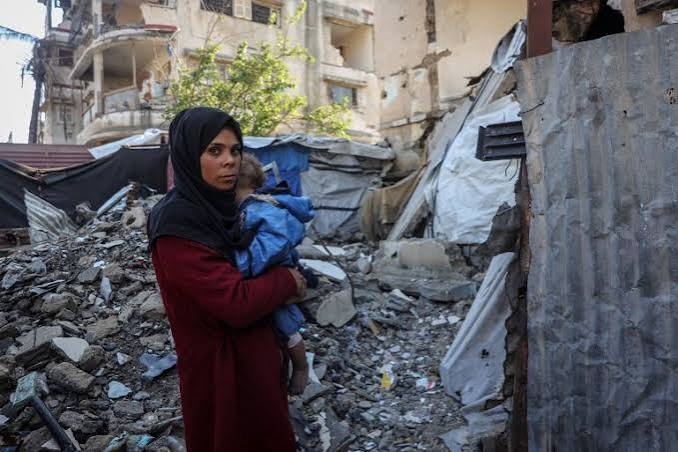
The economic consequences cannot be separated from the human cost of the attack. Two people lost their lives while more than a dozen workers and contractors were injured. For employees who depend on the plant for their livelihoods, the sound of an industrial facility operating has long been part of daily life in Kryvyi Rih. A missile strike turns that familiar environment into a scene of rescue work, damaged machinery and uncertainty.
Kryvyi Rih has deep industrial roots, and steel production has shaped the city’s economy and identity for generations. ArcelorMittal’s own historical records trace the beginning of blast furnace production at the enterprise to 1934. :contentReference[oaicite:4]{index=4}
That history makes the disruption more than an isolated interruption in manufacturing. It affects communities whose employment, infrastructure and local businesses have been tied to steel production for decades.
Steel Supply Chains Are Already More Fragile
The strike also illustrates a broader shift in how companies view industrial supply chains. Before the war, manufacturers could often prioritize cost and efficiency when choosing suppliers. Repeated geopolitical shocks have made resilience equally important.
Companies now have to consider whether a supplier’s physical location exposes them to war, whether transportation routes can be disrupted and whether alternative sources can be activated quickly.
For steel buyers, this can mean maintaining larger inventories or developing relationships with multiple suppliers. Those strategies can increase costs during normal periods, but they can also reduce the risk of a complete production stoppage when a major supplier becomes unavailable.
Energy Infrastructure Is a Critical Vulnerability
The reported damage to power related facilities is particularly important. Modern steel production requires enormous amounts of energy, and an integrated plant cannot simply continue operating normally when its energy systems are compromised.
Ukraine’s steelmakers have repeatedly had to adapt to damage and disruptions involving electricity infrastructure. The experience has pushed companies toward contingency planning, but energy independence is difficult for a large industrial complex.
When power infrastructure and blast furnace operations are damaged at the same location, the recovery process becomes more complicated because repairs may need to occur across multiple interconnected systems.
Russia and Ukraine Present Conflicting Claims About the Attack
The strike occurred during another major escalation in the conflict. Russia has described its attacks as targeting facilities connected to Ukraine’s military capabilities, while Ukrainian authorities have condemned attacks on industrial and civilian infrastructure.
Reuters reported that the strike on Kryvyi Rih came as Russia and Ukraine exchanged large scale aerial attacks, with Ukraine launching a major drone offensive against Russian territory and Russia carrying out missile strikes across several Ukrainian cities. :contentReference[oaicite:5]{index=5}
The competing claims surrounding military targets make independent assessment of individual attacks difficult. What is clear is that the strike caused physical damage at a major industrial facility and resulted in deaths and injuries.
Global Manufacturers Will Watch the Recovery Timeline
The most important question for steel markets now is how quickly ArcelorMittal Kryvyi Rih can restore its damaged facilities. A short interruption could be absorbed through inventories and alternative production. A prolonged shutdown would create a more serious supply problem.
Markets will likely watch for information about blast furnace inspections, power restoration, production levels and the condition of downstream rolling facilities. Customers will also be watching whether existing contracts can be fulfilled and whether alternative export routes remain available.
The company has previously demonstrated that its Ukrainian operations can restart production after wartime interruptions. In 2022, it resumed part of its continuous production after temporarily stopping operations following Russia’s invasion. Ukraine’s investment agency reported at the time that the company restarted one blast furnace along with a rolling mill, converter and continuous casting equipment. :contentReference[oaicite:6]{index=6}
That experience provides some evidence of industrial resilience, but the latest damage must be assessed on its own terms because the condition of specific facilities and energy systems will determine how quickly production can return.
What Steel Buyers and Investors Should Watch
Companies that depend heavily on Ukrainian steel should monitor the situation closely rather than assuming that normal supply will return immediately. The most useful indicators will be operational updates from the company, regional security conditions and developments in European steel prices.
- Production levels at ArcelorMittal Kryvyi Rih
- The condition and repair status of blast furnace facilities
- Restoration of damaged power infrastructure
- European steel inventories and regional prices
- Availability of alternative steel suppliers
- Shipping and logistics conditions affecting Ukrainian exports
Investors should also distinguish between a temporary operational interruption and permanent capacity loss. The former may produce short term market volatility, while the latter could reshape regional supply patterns and encourage manufacturers to establish new sourcing relationships.
A New Warning for Industrial Supply Chains
The attack on ArcelorMittal Kryvyi Rih is another reminder that industrial supply chains remain vulnerable to geopolitical conflict. Steel sits underneath much of the modern economy, and disruptions can eventually appear in places far removed from the battlefield.
A construction company in Europe may see higher procurement costs. A manufacturer may face longer delivery times. A steel trader may need to locate replacement cargoes. A mining company may reconsider where future investment should be directed.
Those effects will depend on how long the Ukrainian disruption lasts, but the risk is already clear. When a major integrated steel complex loses access to critical power and blast furnace capacity, the consequences can travel through several layers of the global industrial economy.
The Recovery Will Matter More Than the Initial Shock
For now, the steel market is waiting for a clearer picture of the damage and the recovery timetable. The immediate priority is the safety of workers and contractors, followed by stabilizing the affected infrastructure and determining which production units can operate safely.
Whether this becomes a temporary supply disruption or a more lasting challenge for European steel markets will depend on the repair timeline and the wider security situation in Ukraine.
What happened in Kryvyi Rih nevertheless carries a larger lesson for global industry. Steel production depends on enormous interconnected systems, and those systems can be disrupted by events far outside the normal calculations of supply and demand. For manufacturers already trying to build more resilient supply chains, the latest strike provides another stark example of why geographic diversification, reliable energy and alternative sourcing have become central concerns for industrial planning.