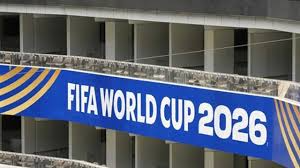
The kickoff of this summer tournament has filled dining rooms, packed sports bars, and sent reservation apps into overdrive. On June 16, 2026, international hospitality groups reported record bookings tied to marquee matches, while regulators in several countries opened emergency audits into suspected illegal betting at venues that host live screenings. We examine how a single sporting event is reshaping hospitality operations, stretching public safety resources, and creating new pressure points around wagering and compliance.
From quiet weekday evenings to riotous match nights
Walk into a city sports bar on a match night and the senses arrive faster than the first whistle. The air hums with a chorus of conversations, glasses clink, and televisions glow with repeated replay of a single chest bump. Chefs feel the heat not only from broilers but from a surge of short notice group orders. Reservations that once sat lightly on calendars now sell out days ahead. Chains report a 30 to 70 percent spike in covers on peak match evenings, while independent pubs near fan precincts describe standing room only and lines that snake down sidewalks.
Operational scramble across the industry
Hospitality managers are juggling roster changes, menu simplifications, and expedited drink service to keep pace. Kitchens institute temporary game day menus focused on shareable plates and faster cooks times. Front of house teams deploy extra screens and hire additional audio technicians to ensure broadcasts reach every corner. Reservation platforms have added match tagging features that allow customers to book for specific kick off times, yet last minute walk ins remain a logistical challenge. The rush creates revenue but also intensifies stress on staff and raises worker safety concerns during high volume nights.
Why bookings surge so dramatically
Large international tournaments compress months of enthusiasm into a handful of match windows. Fans prefer communal viewing where atmosphere and the shared emotional arc matter as much as the action on screen. Restaurants that combine strong audiovisual setups with themed menus and timely promotions act as magnets. Corporate and private groups also turn to hospitality venues for semi private experiences that substitute for canceled travel plans and group viewing abroad. These cultural and social drivers explain why simple screenings become major business events.
Customer behavior and spending patterns
Data from hospitality analysts show that average per person spend increases by 20 to 40 percent during match nights, with premium seating and package deals producing outsized returns. Alcohol sales climb, and special menu items such as sharable platters and limited edition cocktails move faster than usual. For many operators this is a seasonal revenue engine; for staff the volume peak creates a grueling rhythm that requires clear scheduling, paid overtime, and attention to fatigue management.
Emergency anti illegal gambling audits ignite
Alongside the rush of patrons, regulators in multiple jurisdictions reported unusual upticks in unregulated betting activity at establishments screening matches. Authorities launched emergency audits aimed at curbing illegal wagering rings that exploit crowded venues to place bets off official platforms. Inspectors are focusing on point of sale practices, broadcast rights compliance, and whether venues are facilitating third party betting operators operating outside licensing frameworks.
Risks that triggered regulatory sweeps
Investigators point to several red flags. Informal betting pools run by staff or patrons, private apps used to coordinate off ledger wagers, and cash based exchanges inside venues complicate enforcement. Large crowds and noisy environments make detection harder and may embolden illicit operators. Regulators say these operations can evade tax obligations, expose patrons to fraud, and undercut licensed operators who must meet consumer protection standards.
How venues are responding
Some hospitality chains have moved quickly to shore up compliance. Measures include enhanced staff training on spotting suspicious wagering activity, visible signage about legal betting channels, and tighter controls on where cash transactions are accepted. Several multinational operators reported temporarily restricting private tables from bringing in external betting equipment and coordinating with local law enforcement to conduct voluntary checks during match nights. For many venues the priority became balancing customer experience with legal obligations and public safety.
Industry calls for clearer rules and support
Trade associations are urging governments to issue clear guidance about permitted activities during major sporting events, and to allocate enforcement resources proportionate to the spike in activity. Operators request faster access to licensing pathways for on premise betting partnerships that meet regulatory standards, arguing that a regulated alternative reduces incentives for illegal markets. They also ask for funding for staff training on compliance and safer service of alcohol when volumes increase.
Public safety, alcohol, and crowd management
Surge nights magnify usual risks around intoxication, fights, and medical incidents. Municipal authorities have stepped up patrols in entertainment districts and coordinated with venue operators on crowd control procedures. Practical steps being used include timed entry, dedicated queuing spaces, designated driver incentives, and agreements with ride services to handle postmatch departures. Some cities opened temporary first aid points during high profile matches to reduce emergency room pressure.
Balance between atmosphere and safety
Operators must preserve the communal thrill that draws customers while preventing situations that threaten patrons or staff. That takes pre planning, clear communication with patrons, and robust incident escalation protocols. Several venues shared that real time monitoring through CCTV and floor managers positioned at sight lines has reduced response times and deescalated conflicts before they escalate.
Wider economic and cultural ripple effects
Beyond immediate hospitality receipts, the tournament’s influence radiates into nearby services: taxis and ride hailing, retail, convenience stores, and advertising revenue for broadcasters. Neighborhoods that host regular screenings see increased foot traffic that benefits small businesses adjacent to main venues. Conversely, residential areas sometimes report noise complaints and parking challenges that require municipal coordination and temporary public order measures.
What consumers can do and what to expect
Patrons planning to watch matches in public should book early, confirm arrival windows, and consider midday screenings to avoid late night crowds. Respect venue rules about cash and wagering, and report suspicious betting solicitations to staff or local authorities. If attending with vulnerable companions plan exit strategies and designate a sober contact to manage travel. These simple steps make shared viewing safer and more enjoyable for everyone.
Further information and official guidance
For background on responsible alcohol service and public safety protocols see resources offered by national public health agencies and hospitality trade groups. Regulatory updates about gambling and licensing are available through national regulators and the World Lottery Association, which maintains guidance on responsible wagering and venue partnerships. For regulatory information consult the national gambling authority for the relevant country and the World Lottery Association at world-lotteries.org.
This tournament will continue to test the adaptability of the global hospitality sector. We will monitor how operators, regulators, and communities respond as demand peaks. The essential task for everyone involved is to preserve the electric communal experience of watching football while ensuring that legal safeguards and public safety measures keep pace with the surge in activity.