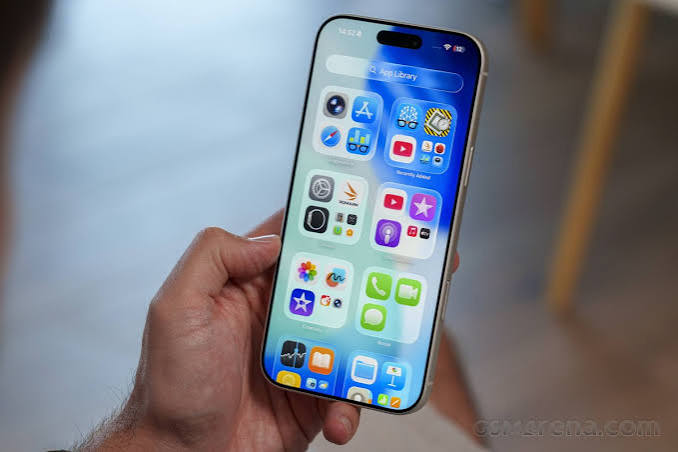
Apple on June 18, 2026 announced a sweeping set of changes that will let iPhone users in Brazil install apps from third party marketplaces and use alternate payment systems inside apps, following a regulatory agreement with Brazil’s competition authority CADE. The move marks a rare retreat from Apple’s long standing control over app distribution and payments on iOS and will reshape how developers, consumers, and regulators engage with the platform in one of the world’s largest smartphone markets.
What the agreement does and why it matters
Under the settlement Apple will permit alternative app marketplaces to distribute iOS apps, and developers may offer third party payment processors inside their apps to Brazilian customers. For users this means more choice at checkout and a chance to download apps from sources outside the App Store. For developers it opens new revenue pathways and negotiating leverage when Apple previously captured a significant share of in app payments.
The changes could alter daily experiences for millions. Imagine opening a popular productivity app on a humid afternoon in São Paulo and seeing a new subscription option processed by a local fintech offering lower fees. Or a small studio in Recife choosing a regional store that better supports local languages and payout schedules. Those concrete outcomes are what makes the policy shift more than regulatory symbolism.
How Apple will implement alternative app marketplaces
Apple outlined technical and security guardrails it will require for third party marketplaces. App sideloading and third party stores must comply with privacy protections, malware scanning, and user consent flows that clearly explain permissions. Apple will also publish developer guidelines for registration and code signing to reduce the risk of counterfeit or malicious apps.
The technical evolution is non trivial. iOS has long been designed around a curated App Store model and integrated system services. Allowing other stores requires changes to installation flows, app integrity checks, and operating system prompts to keep users informed about origin and permissions. Apple said it will phase the rollout and provide documentation for developers and marketplace operators to ensure a measured, secure transition.
Payment processing changes and developer economics
Developers in Brazil will be able to offer alternate payment processors that may charge lower commissions than Apple’s in app payment fees. That creates immediate financial relief for subscription services, digital content creators, and game studios that have pushed back against platform fees for years. For users, lower fees can translate to cheaper subscriptions or higher payouts to creators.
Apple will still offer an optional platform managed payments service and may continue to charge fees for certain integrations, but the settlement removes Apple’s exclusive control. Developers must weigh the benefits of lower processing costs against integration overhead and potential fragmentation of billing systems. Larger developers might adopt multiple payment partners while smaller teams may continue to use Apple’s convenience until alternatives mature.
Regulatory context and CADE’s role
CADE led an investigation into Apple’s practices after complaints from local developers and competitors. Brazil has been among the most active jurisdictions pushing platform reforms, and the agreement reflects a broader global trend of regulators seeking to limit gatekeeper power. Similar disputes in the European Union and South Korea prompted other platform changes, but the Brazilian settlement is notable for combining store access and payments in one package.
CADE and consumer protection bodies will monitor implementation to ensure the new options produce real choice and do not introduce new consumer harms. The authority has signaled it will require transparent reporting and may demand further measures if market behavior undermines competition.
Immediate market reactions
- Local developers and app marketplaces welcomed the change, seeing an opportunity to offer localized payment rails and marketing support.
- Consumer advocates urged careful oversight to prevent scams and to preserve privacy protections as third party stores proliferate.
- Investors in regional app stores and fintech payment processors reacted positively as potential market access increases.
Consumer safety and security tradeoffs
Security researchers caution that broader app distribution increases the attack surface for mobile malware unless Apple and third party marketplaces maintain strict verification and scanning processes. Installation prompts and consent dialogs will play a critical role in helping users make safe choices. Apple’s implementation will be judged by how well it balances openness with robust protections against phishing, malicious code, and privacy invasions.
Brazilian users may face a short term learning curve. Clear design cues that show app provenance, simple ways to revoke marketplace permissions, and educational campaigns will help reduce risk. Regulators and industry groups may collaborate on public awareness initiatives to guide consumers through the new options.
Implications for developers and digital businesses
For indie developers and startups the settlement offers practical benefits. Lower fees and alternative payout schedules can improve margins and enable new business models such as micropayments, vertical marketplaces, or bundled services tailored to local markets. Payment firms that serve Brazilian merchants may partner directly with apps to provide regional payment methods widely used by consumers.
Large platform dependent companies will have strategic choices to make. Some may continue with the App Store for simplicity and global reach, while others will experiment with alternative stores in Brazil as a testbed for broader moves. The settlement could incentivize cross border payment innovations and spur competition in mobile commerce infrastructure.
Global ripple effects
Apple’s Brazil agreement will be watched closely by regulators and policymakers elsewhere as evidence of what can be achieved through antitrust enforcement. The deal could provide a template for other countries seeking to secure app distribution choice and payment competition without fragmenting security standards. Conversely it may prompt Apple to adjust its global product and compliance strategies to avoid inconsistent policy sets across markets.
Analysts will examine whether similar arrangements will be required in regions such as the European Union or Latin America and whether platform operators will offer comparable concessions proactively to head off regulatory action.
What users should do now
Brazilian iPhone users should monitor official Apple communications for rollout timelines and clear instructions on how to enable alternative marketplaces or select third party payment options. Users should keep devices updated, review app permissions carefully, and prefer stores that provide transparent developer information and user reviews. Backup strategies for app data and credentials will remain important as users adopt new stores.
Where to read the settlement and further resources
CADE published details of the agreement and monitoring obligations on its website, which will be the authoritative source for compliance timelines and reporting requirements. For guidance on mobile app security and secure payment processing, resources from the National Institute of Standards and Technology and the mobile ecosystem documentation from major platform providers can help developers prepare for integration.
The Apple Brazil agreement is a consequential step toward more open mobile ecosystems. It answers long standing demands for choice on iOS while raising practical questions about security, consumer protection, and how developers will adapt commercially. The coming months will reveal whether this regulatory compromise produces a safer, fairer market for Brazilian users and whether it sets precedent for other nations pursuing platform competition.