Major US indexes rallied sharply on June 18, 2026, with the S&P 500 rising about 1 percent and the Nasdaq climbing roughly 1.2 percent, erasing recent losses tied to concerns about Federal Reserve tightening and persistent inflation. The rebound followed a day of calmer economic signals and rotation into technology and interest rate sensitive growth names, while crude oil softened, easing one source of inflationary pressure for investors and households.
What drove the rebound
Investor sentiment brightened after a string of data and commentary suggested that inflation pressures were stabilizing more than feared and that the Fed may pause further aggressive rate moves. Traders told me the market was reacting to a confluence of smaller moves rather than a single decisive headline. Bond yields pulled back modestly from recent peaks, which relieved pressure on equity valuations and encouraged rotation back into growth and quality stocks that had lagged during the recent sell off.
The tone on trading floors and investor desks
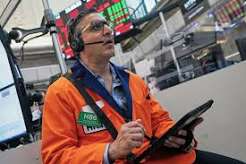
On the trading desk the mood was cautious optimism. Portfolio managers described the day as one where “relief and recalibration” met measured positioning. Many funds reduced outright defensive stances, trimming positions in short duration value plays and adding exposure to software, semiconductors, and consumer discretionary names that benefit from lower real borrowing costs. Retail traders reported renewed appetite for technology shares and high conviction names that had been punished earlier this month.
Sector performance and winners
Tech stocks led the advance as expectations for slower Fed tightening boosted long duration assets. Semiconductor manufacturers and cloud software providers posted notable gains as earnings outlooks and product cycles remained intact. Financials showed mixed performance. Banks had been an early winner from higher rates, but weaker treasury yields on the day muted some of the sector strength. Consumer discretionary stocks rose as confidence returned that lower fuel costs and easing inflation could support household spending into the summer.
Market breadth and liquidity
Market breadth improved as more names moved higher, reducing concentration risk that had worried analysts when a handful of megacaps dominated gains. Volume patterns suggested institutional participation rather than a purely retail driven bounce. Still, strategists cautioned that liquidity can ebb quickly in periods of macro uncertainty and that present moves should be tested by sustained data flow over coming weeks.
Bond market and yields
Longer term Treasury yields eased from recent highs, with the 10 year yield declining modestly. That decline supported higher price multiples for equities and lessened the discount applied to growth company future cash flows. Fixed income desks said the move reflected a combination of lower near term rate path expectations and technical repositioning after a recent surge in yields that had prompted defensive rebalancing across portfolios.
What falling oil prices signal
U.S. crude fell on the same day, taking some pressure off headline inflation expectations. Lower fuel costs provide a visible benefit to consumers who see gasoline pump prices fall and may free discretionary spending for services and goods. For the market the decline in oil acted as a partial offset to the inflation story that had buoyed rate tightening fears, giving investors an additional reason to reallocate toward equities.
Risks that could reverse the rally
Despite the optimistic session, risks persist. A hotter than expected inflation reading, renewed hawkish language from the Federal Reserve, or geopolitical shocks affecting energy supply could quickly reassert selling pressure. Corporate profit warnings or softer consumer data would also undermine confidence, as would abrupt moves in bond markets that push yields higher. Portfolio managers I spoke with emphasized the need for hedges and scenario planning even as they increased equity exposure.
How different investors might respond
Conservative investors may use the rally to rebalance back to target allocations, capturing gains in fixed income and reallocating modestly to quality stocks. Growth oriented portfolios benefited on the day and may extend positions into names with durable free cash flow and secular tailwinds, particularly in software and cloud infrastructure. Short term traders saw opportunity in volatility, while long term investors focused on earnings season ahead and macro indicators that will determine whether the rally can persist.
Economic calendar and forthcoming catalysts
Markets will watch upcoming inflation and labor data closely for confirmation that price pressures are cooling. Any fresh signals from the Federal Reserve about policy path will be a dominant driver. Corporate earnings reports remain an essential cross check; resilience in profit margins and forward guidance will cement investor confidence, while disappointments could reintroduce volatility. Traders will also be sensitive to geopolitical developments that can affect commodity markets and risk appetite.
Practical takeaways for readers
For individual investors today’s rebound is a reminder that markets move in cycles and that short term fear driven moves can reverse when data and sentiment align. Maintaining a diversified portfolio, reviewing time horizon, and avoiding headlines driven impulsive decisions remain sensible. Those with longer horizons may view the bounce as an opportunity to add to high conviction positions, while those nearer to spending time horizons might prefer to rebalance toward lower volatility instruments.
Where to follow official data and analysis
Readers who want primary source information can monitor releases and commentary on the Federal Reserve website and consult market data from the U.S. Bureau of Labor Statistics for upcoming inflation reports. For real time quotes and trading volume, established financial platforms and exchanges provide updated metrics that help contextualize daily market moves.
The June 18 session delivered a welcome rebound that erased recent losses, but it did not remove the uncertainty that has animated markets this year. Whether the rally marks a durable recovery or a temporary reprieve will come down to the interplay between inflation readings, central bank messaging, and corporate earnings in the weeks ahead.